
When Do You Need to Waterproof a Wine Cellar?
A wine cellar is more than just a storage space; it's a sanctuary for cherished vintages, a testament to craftsmanship, and a source of pride for connoisseurs. However, the very nature of a wine cellar - cool temperatures, humidity, and precious bottles - makes it vulnerable to water damage. In this article, we'll delve into the critical need for waterproofing in wine cellars, ensuring that your collection remains safe, intact, and worthy of admiration. Learn about the signs, strategies, and how ZSC Waterproofing can be your trusted partner in safeguarding your liquid treasures.
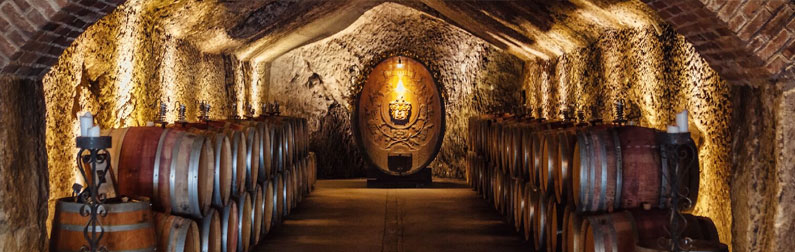
The Unique Vulnerabilities of Wine Cellars:
Unlike typical rooms in a home, wine cellars require specific environmental conditions to preserve the quality and flavour of wines. These conditions, particularly the cool temperatures and high humidity levels, create an environment that can be particularly sensitive to moisture intrusion.
Signs That Your Wine Cellar Needs Waterproofing:
Musty Odor:
A musty or damp smell in your wine cellar is often an early sign of moisture-related issues. This odor indicates that there may be hidden pockets of moisture or mildew growth.
Visible Mold or Mildew:
If you observe mold or mildew on the walls, ceiling, or stored wine bottles, it's a clear indication that moisture is present and needs to be addressed promptly.
Staining or Discoloration:
Water stains or discoloration on walls or flooring suggest that water is infiltrating the space. These stains are unsightly and can be indicative of more serious underlying issues.
Warped or Damaged Wood:
Wine racks, shelving, or wooden components in the cellar may show signs of warping, swelling, or other forms of water-induced damage.
The Consequences of Neglecting Waterproofing:
- Compromised Wine Quality:
Excessive moisture can lead to mold growth on corks and labels, affecting the quality and taste of the wine. - Structural Damage:
Prolonged exposure to moisture can lead to structural issues, including weakened supports, deteriorated flooring, and damaged insulation. - Increased Energy Costs:
A wet environment may require more energy to maintain optimal temperature and humidity levels, leading to higher energy bills.
Waterproofing Strategies for Wine Cellars:
- Interior Sealants and Coatings:
Specialized sealants and coatings are applied to interior surfaces to create a barrier against moisture intrusion. - Exterior Waterproofing:
Ensuring that the exterior of the cellar is properly graded and waterproofed can prevent water from seeping into the space. - Proper Drainage Systems:
Installing effective drainage systems, including sump pumps, can help redirect water away from the cellar.
How ZSC Waterproofing Can Help:
ZSC Waterproofing understands the specialized needs of wine cellars. Our team employs industry-leading techniques and materials to create a watertight environment, safeguarding your valuable wine collection. By partnering with us, you're ensuring that your wine cellar remains a sanctuary for your cherished vintages.
Preserving the integrity of your wine collection begins with protecting the environment in which it's stored. Waterproofing is not just a precaution; it's an investment in the longevity and quality of your wines. With ZSC Waterproofing, you can have the peace of mind that your liquid treasures are safe and secure.
Don't wait until it's too late; contact ZSC Waterproofing today to schedule a consultation and address any waterproofing issues in your property. Let us help you safeguard your investment and maintain a healthy, water-free living environment. Contact ZSC Waterproofing via